
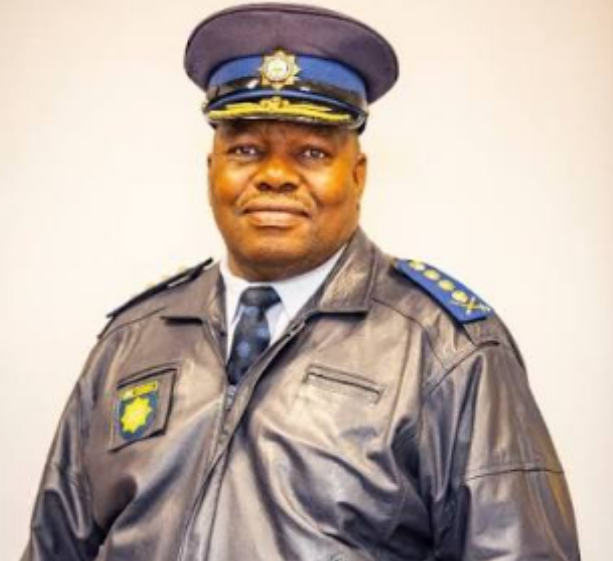
General Sehlahle Fannie Masemola serves as the National Commissioner of the South African Police Service, known as SAPS. He leads the organization in its daily work to fight crime and keep people safe across the country. Appointed on March 31, 2022, by President Cyril Ramaphosa, Masemola brings more than 38 years of experience in policing. His role involves managing over 180,000 police officers and staff, focusing on issues like violent crime, drug trafficking, and public trust in law enforcement. Born in 1964, he grew up in a rural area of Limpopo province, where family ties to policing sparked his interest in the field. Over his career, he has handled major tasks, such as securing national elections since 1994 and reducing cash in transit robberies. Today, in late 2025, Masemola continues to address challenges like forensic backlogs and gender based violence. His story shows a path from basic training to top leadership, offering lessons on dedication and reform in South African law enforcement. This biography explores his life to help readers understand his contributions and the broader context of policing in the nation.
Early Life
Sehlahle Fannie Masemola entered the world in 1964 in Groblersdal, a town in Limpopo province, South Africa. He spent his childhood in the nearby village of Greenside, a quiet rural spot that shaped his early years. The area, known for its farming communities, provided a simple backdrop during the apartheid era, a time of significant social changes. Masemola came from a family deeply connected to policing. His father worked as a policeman, and several uncles did the same. This environment introduced him to the world of law enforcement from a young age. He often heard stories about their work, which sparked his curiosity about justice and order. However, his father did not want him to follow the same path at first, perhaps due to the dangers involved. Despite this, Masemola felt drawn to the profession, influenced by an uncle who emphasized discipline and helping others. Growing up in such a household taught him values like responsibility and community service. These early experiences laid the foundation for his future choices. As a boy in Limpopo, he saw the challenges of rural life, including limited resources and the need for strong local authority. This background helped him relate to everyday people later in his career. By the time he reached adulthood, South Africa was moving toward democracy, and Masemola was ready to join the changing police force. His story highlights how family and place can guide someone’s life direction in meaningful ways.
Education
Masemola pursued education that supported his interest in policing. He earned a Diploma in Policing, which gave him basic knowledge of law enforcement practices. He then completed a Higher Diploma in Policing to build on those skills. These qualifications focused on topics like crime prevention, investigation techniques, and management. Later, he studied for a Master’s degree in Public Management, which helped him understand broader aspects of running public organizations. This degree covered areas such as policy making and leadership in government services. In addition to formal degrees, Masemola took specialized training courses within SAPS. These included programs for junior and senior officers on topics like operations and strategy. He also received training in counter terrorism investigations from experts in the United States. Such international exposure added to his expertise in handling complex security issues. His education combined practical policing skills with advanced management ideas, preparing him for higher roles. This blend of learning shows his commitment to growing as a leader. In a field where quick decisions matter, his qualifications helped him navigate challenges effectively. Overall, Masemola’s educational path equipped him to contribute to SAPS reforms and improvements.
Career
Masemola’s career in SAPS spans over three decades, marked by steady advancement and key contributions. He joined the service in 1987 after completing basic training. This start came during a pivotal time as South Africa transitioned from apartheid to democracy. His early work involved frontline duties, building his understanding of daily policing.
Here is a list of his main career steps:
- 1987: Began as a constable after training, posted to Harrismith in Free State province.
- Late 1980s to 1990s: Moved to KwaZulu Natal, where he spent about 10 years in various operational roles. He rose to the rank of Major General and served as Deputy Provincial Commissioner for operations.
- 2010: Transferred to Pretoria headquarters. Acted as Divisional Commissioner for Protection and Security Services, then confirmed in the role as Lieutenant General. This involved overseeing VIP protection and security for government events.
- 2013 to 2016: Appointed Provincial Commissioner for Limpopo, managing police activities in his home province.
- Post 2016: Held Deputy National Commissioner positions, including responsibility for policing operations nationwide.
- March 31, 2022: Appointed National Commissioner by President Cyril Ramaphosa, succeeding Khehla Sitole.
Throughout his career, Masemola played a leading role in coordinating security for all national elections since 1994. He helped reduce cash in transit heists through targeted strategies. In recent years, as commissioner, he has focused on clearing forensic lab backlogs and strengthening efforts against gender based violence. In December 2025, he oversaw the promotion of over 9,000 officers to boost morale and address backlogs in ranks. He also led the destruction of drugs worth millions in August 2025. Masemola’s approach emphasizes community partnerships and efficient operations. His long service includes work in protection services, where he ensured safety for high profile figures. Under his leadership, SAPS has tackled high profile investigations, such as political killings in KwaZulu Natal and Gauteng. He established a new task team for political killings in Gauteng in August 2025. These efforts show his dedication to adapting policing to current needs. Masemola’s timeline reflects a commitment to public safety amid South Africa’s evolving challenges, from post apartheid reforms to modern crime trends.
Controversies and challenges
Like many leaders in public service, Masemola has faced scrutiny and difficulties. In 2025, reports emerged alleging improper use of funds from crime intelligence’s secret account. These claims suggested he purchased properties in Pretoria and Midrand without following rules. The properties included a boutique hotel and a lodge. The Investigating Directorate denied issuing any arrest warrant and stated the allegations remained unproven as of late 2025. Another claim involved receiving R7 million linked to a police tender, but this too lacked confirmation in court. Masemola denied these accusations during his testimony at the Madlanga Commission in October 2025. He accused certain politicians of running smear campaigns against him, saying efforts to discredit him started soon after his appointment. In September 2025, he suspended his deputy, Shadrack Sibiya, over disputes about a task team investigating political killings in KwaZulu Natal. This action stemmed from allegations that Sibiya tried to disband the team against instructions. Masemola clarified he did not sign off on the disbandment, highlighting tensions within SAPS leadership. Parliament questioned him in October 2025 about scandals like the Phala Phala farm theft and the murder of whistleblower Babita Deokaran. He emphasized his commitment to completing his term until 2027, resisting external pressures. Broader challenges include claims of criminal infiltration in SAPS, which he described as the work of small groups rather than widespread issues. He called for better vetting and lifestyle audits to maintain integrity. These events occur amid ongoing debates about police reforms and political interference. Masemola has stressed due process and factual investigations in response. As of December 2025, no charges have been filed against him, and he continues to lead SAPS. These challenges test his resolve but also underscore the complexities of high level policing in South Africa.
Personal Life
Details about Masemola’s personal life remain private, as is common for public figures in security roles. He values time with family and friends away from work. Known interests include outdoor activities like camping and hiking, which offer relaxation amid his demanding job. These hobbies likely help him recharge and maintain balance. He keeps information about his spouse or children out of the public eye to protect their privacy. This approach reflects the risks associated with his position. Despite the spotlight, Masemola focuses on his professional duties while enjoying simple pleasures in his off time. His personal choices show a grounded side to his leadership.
Legacy
Masemola’s legacy centers on his long term service and efforts to strengthen SAPS. With 38 years in policing, he has witnessed and shaped major changes, from democratic transitions to current crime fighting strategies. Key contributions include securing elections and cutting down on armed robberies of cash vans. His focus on community policing aims to build trust between officers and citizens. Initiatives to address gender based violence and clear lab backlogs highlight his push for efficiency. In 2025, actions like promoting thousands of officers and destroying large drug hauls demonstrate his commitment to morale and public safety. He has advocated for recruiting more young people, raising the entry age limit to 35 to bring fresh energy. Masemola’s leadership style emphasizes integrity and reform, even amid challenges. His story inspires those in law enforcement, showing how dedication can lead to impact. As he nears the end of his term in 2027, his work leaves a mark on South African security and justice systems.
Conclusion
General Fannie Masemola’s journey from a Limpopo village to SAPS leadership illustrates perseverance and service. Starting in 1987, he climbed ranks through hard work and learning. His tenure as commissioner since 2022 has involved tackling crime, reforms, and controversies with a focus on facts. While challenges persist, his contributions to election security, crime reduction, and police morale stand out. Masemola’s life offers insights into the demands of policing in South Africa. As the nation moves forward, his example encourages ethical leadership and community focus in law enforcement.
FAQs
Who is Fannie Masemola?
He is the National Commissioner of SAPS, appointed on March 31, 2022, with over 38 years in policing.
How old is General Fannie Masemola?
As of 2025, he is 61 years old, born in 1964.
When was Fannie Masemola appointed National Commissioner?
He was appointed on March 31, 2022, by President Cyril Ramaphosa.
What is Fannie Masemola’s background in SAPS?
He joined in 1987, held roles in operations, protection services, and provincial leadership before becoming commissioner.
How has he contributed to election security?
He coordinated security for all national elections since 1994.
What are the latest updates on his leadership in 2025?
In December 2025, he promoted over 9,000 officers and addressed high profile killings investigations.
What is known about his salary or net worth?
Exact figures are not publicly disclosed, but his role as a senior public servant reflects dedication to service rather than personal gain.

Don has over 5 years of experience as an SEO expert, writer, and digital media professional. He has led teams to create engaging news broadcasts and has covered major news stories. Hems has worked with top outlets like Bloomberg, Yahoo! Finance, and Fox Business Network, focusing on insurance, business, and finance. His skills combine SEO knowledge with strong storytelling, making him an expert in creating content that is original, optimized and informative.